

The healthcare industry is undergoing a major transformation driven by digitalization, wireless connectivity, and intelligent technologies. Traditional medical devices usually focus on individual measurements, requiring patients or healthcare workers to manually record and manage health data. However, as chronic diseases become more common and the demand for remote healthcare services continues to grow, healthcare providers need more efficient ways to collect, analyze, and share patient information.
This shift has accelerated the development of Healthcare IoT (Internet of Medical Things), where medical devices, wearable sensors, smartphones, cloud platforms, and healthcare services work together to create a connected healthcare ecosystem.
Among various wireless technologies, Bluetooth Low Energy (BLE) has become one of the most widely adopted connectivity solutions for medical devices due to its ultra-low power consumption, compact design, cost efficiency, and compatibility with smartphones.
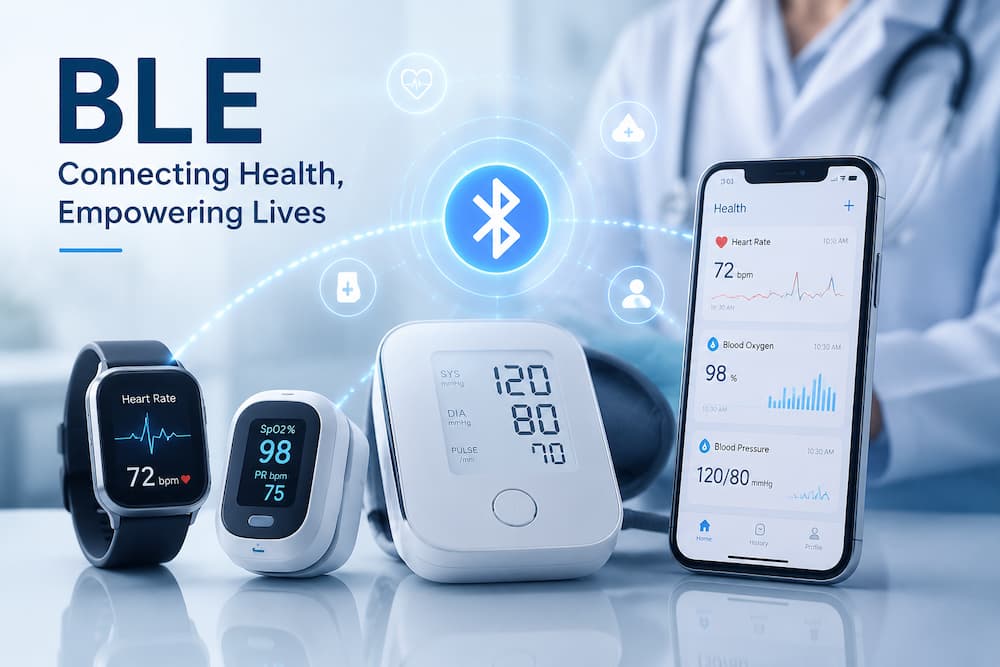
A BLE-enabled medical device can collect patient health information and transmit data wirelessly to smartphones, tablets, gateways, or cloud platforms. This enables healthcare applications such as automatic health record management, continuous monitoring, remote consultation, and personalized treatment.
For example, a Bluetooth blood pressure monitor can automatically synchronize measurement results with a mobile application, allowing users to track long-term health trends and share reports with healthcare professionals. A wearable blood oxygen monitor can continuously collect physiological information, helping identify potential health risks earlier.
Compared with traditional manual recording methods, BLE connectivity transforms healthcare data from isolated measurements into continuous and actionable health insights.
Today, BLE modules are widely used in:
· Blood glucose monitoring systems
· Blood pressure monitors
· Wearable ECG devices
· Pulse oximeters
· Smart medication devices
· Remote patient monitoring (RPM) systems
· Rehabilitation and elderly care equipment
By integrating a BLE module for medical devices, developers can create smaller, more power-efficient, and more intelligent healthcare products that improve patient experience and support the future of connected healthcare.
This article explores how BLE modules enable smart healthcare applications, from medical testing and continuous monitoring to remote patient care and advanced Healthcare IoT solutions.
Medical devices have stricter requirements compared with many consumer IoT products. They often need to operate for long periods with limited battery capacity, maintain stable wireless communication, support compact hardware designs, and provide a simple user experience for patients and healthcare professionals.
Bluetooth Low Energy technology is specifically designed for low-power wireless communication, making it an ideal choice for modern healthcare devices.
Many healthcare products are battery-powered and designed for continuous operation, including:
· Wearable health trackers
· Continuous glucose monitoring (CGM) devices
· ECG patches
· Pulse oximeters
· Home healthcare equipment
For these products, battery life directly affects user experience.
Unlike traditional wireless technologies that may consume significant energy during communication, BLE is optimized for short-range data transmission with minimal power consumption. A BLE module can maintain reliable wireless communication while allowing medical devices to operate for extended periods.
This advantage is especially important for wearable healthcare devices, where frequent charging or battery replacement can reduce user adoption.
For example, a wearable ECG monitor needs to continuously collect physiological signals throughout the day. A low-power BLE module allows the device to transmit important health information to a smartphone while maintaining long operating time.
One of the biggest advantages of BLE is its native support in smartphones and tablets.
Most modern mobile devices already include Bluetooth connectivity, allowing healthcare devices to communicate directly with mobile applications without requiring additional hardware.
A typical BLE healthcare architecture includes:
Medical Device → BLE Module → Smartphone / Gateway → Cloud Platform → Healthcare Provider
In this system:
· The medical device collects health data
· The BLE module provides wireless communication
· The smartphone or gateway receives and transfers information
· The cloud platform stores and analyzes health records
· Healthcare professionals provide remote monitoring and support
This architecture significantly reduces system complexity and makes connected healthcare solutions easier to deploy.
For consumer healthcare products, smartphone compatibility also improves usability because patients can view their health information through familiar mobile applications.
Miniaturization is an important trend in healthcare device development. Wearable and portable medical products require smaller PCB designs while maintaining reliable performance. BLE modules integrate Bluetooth connectivity into compact packages, helping developers reduce product size and simplify hardware design.
Typical applications include:
· Smart watches
· Health bands
· Portable diagnostic devices
· Smart sensors
· Medical patches
For example, compact BLE modules based on advanced Bluetooth SoCs can provide powerful wireless communication while occupying minimal PCB space, making them suitable for next-generation wearable healthcare products.
Healthcare data is highly sensitive, and reliable communication is essential for medical applications.
BLE technology supports security features including:
· Secure pairing
· Data encryption
· Device authentication
· Access control
These features help protect patient information during wireless transmission.
For healthcare applications, wireless connectivity is not only about transferring data, it is about ensuring that accurate health information reaches the right system at the right time.
Whether monitoring blood glucose levels, tracking heart activity, or collecting patient vital signs, reliable BLE communication provides the foundation for trustworthy healthcare services.
Healthcare applications cover a wide range of products, from personal wellness devices to professional medical equipment. BLE modules provide flexible connectivity solutions for different development requirements.
Application | Example Devices | BLE Benefits |
Medical Testing | Blood glucose meters, blood pressure monitors, thermometers | Automatic data synchronization |
Continuous Monitoring | ECG patches, CGM sensors, pulse oximeters | Low-power long-term operation |
Home Healthcare | Smart scales, wearable devices | Easy smartphone connection |
Remote Patient Monitoring | Connected medical equipment | Real-time health data sharing |
Rehabilitation | Motion sensors, activity trackers | Continuous progress tracking |
By providing low-power, reliable, and scalable wireless connectivity, BLE modules have become a key building block for Healthcare IoT systems.
Medical testing is one of the most common application areas for Bluetooth Low Energy technology.
Traditional medical devices usually display measurement results locally, requiring users or healthcare workers to manually record information. This process is inefficient and may lead to incomplete records or inaccurate data tracking.
By integrating a BLE module for medical devices, testing equipment can automatically transmit measurement results to smartphones, tablets, gateways, or healthcare platforms. This enables digital health records, trend analysis, and remote healthcare services.
BLE connectivity helps transform medical testing from a single measurement into a connected healthcare experience. Common BLE-enabled medical testing devices include blood glucose meters, blood pressure monitors, thermometers, pulse oximeters, portable diagnostic devices, and point-of-care testing (POCT) equipment.
Diabetes management requires frequent glucose measurement and long-term health tracking.
Traditional blood glucose meters usually require users to manually record each measurement, making it difficult to understand how glucose levels change throughout the day.
A Bluetooth-enabled glucose monitoring system solves this challenge by automatically transferring measurement data to a smartphone application.
A BLE-connected blood glucose solution can provide:
· Automatic glucose data synchronization
· Historical measurement records
· Daily and weekly trend analysis
· Meal and exercise correlation
· Abnormal glucose notifications
For example, after completing a glucose measurement, the device can send the result through BLE to a mobile application. The application can then generate reports showing glucose changes before and after meals.
This helps patients better understand the relationship between lifestyle habits and glucose levels, while allowing healthcare professionals to provide more personalized guidance.
For medical device manufacturers, integrating a BLE module into glucose monitoring products provides an opportunity to create smarter and more user-friendly diabetes management solutions.
Hypertension requires regular monitoring, but occasional measurements during hospital visits may not accurately represent a patient's daily condition.
BLE-enabled blood pressure monitors allow users to measure blood pressure at home and automatically synchronize results with healthcare applications.
A connected blood pressure monitoring system can record:
· Systolic blood pressure
· Diastolic blood pressure
· Heart rate
· Measurement time
· Long-term trends
The collected data can be analyzed to identify:
· Morning and evening blood pressure patterns
· Treatment effectiveness
· Abnormal fluctuations
· Lifestyle-related changes
For elderly users and chronic disease patients, Bluetooth blood pressure monitors provide a convenient way to participate in long-term health management. Healthcare providers can also access more complete patient information, enabling better remote consultation and follow-up.
Temperature and blood oxygen monitoring are essential in many healthcare scenarios, including:
· Fever monitoring
· Respiratory health management
· Elderly care
· Post-surgery recovery
· Sleep observation
BLE-enabled thermometers and pulse oximeters allow measurement data to be automatically transferred to mobile applications.
A connected thermometer can provide:
· Automatic temperature recording
· Historical fever tracking
· Family health management
· Remote sharing with healthcare providers
A BLE pulse oximeter can monitor:
· Blood oxygen saturation (SpO₂)
· Heart rate
· Respiratory-related conditions
· Oxygen level changes during sleep
These devices are particularly valuable for patients requiring long-term observation and for healthcare providers who need continuous health information.
Point-of-care testing (POCT) is becoming increasingly important because it allows medical testing closer to patients.
Unlike traditional laboratory testing, POCT devices can be deployed in:
· Clinics
· Pharmacies
· Community healthcare centers
· Home environments
BLE connectivity enables portable diagnostic devices to automatically upload test results and integrate with digital healthcare systems.
Typical BLE-enabled POCT applications include:
· Portable ECG monitors
· Cholesterol testers
· Uric acid meters
· Multi-parameter health analyzers
The benefits include:
· Reduced manual data entry
· Faster test result sharing
· Easier patient record management
· Improved healthcare workflow efficiency
By connecting distributed testing devices through BLE, healthcare organizations can build more efficient and accessible digital healthcare networks.
Healthcare is shifting from occasional measurements toward continuous health monitoring.
Traditional medical testing answers:
“What is the patient's condition at this moment?”
Continuous monitoring answers:
“How is the patient's health changing over time?”
This transition is especially important for chronic disease management, preventive healthcare, and remote patient monitoring.
BLE technology provides the wireless connection required for wearable sensors and monitoring devices to continuously collect and transmit health information.
Continuous glucose monitoring (CGM) has become an important technology for diabetes management.
Unlike traditional glucose meters that require periodic measurements, CGM systems use sensors to continuously track glucose levels.
A BLE-enabled CGM system can transmit data to smartphones or dedicated receivers, providing:
· Real-time glucose curves
· Trend direction indicators
· High and low glucose alerts
· Time-in-range (TIR) analysis
Continuous glucose data helps patients understand how:
· Food intake
· Exercise
· Medication
· Daily activities
affect glucose changes.
For healthcare professionals, long-term glucose data provides deeper insights than individual measurements and supports more personalized treatment strategies.
Cardiovascular monitoring is another important application area for BLE healthcare devices.
Many heart rhythm problems occur intermittently and may not be detected during short clinical examinations.
BLE-enabled wearable ECG devices, such as ECG patches and portable monitors, allow patients to collect heart activity data during daily life.
These devices can provide:
· Heart rate trends
· ECG waveform data
· Abnormal rhythm detection
· Remote health reports
The collected information can be transferred to mobile applications or healthcare platforms, allowing doctors to review patient conditions remotely. This improves the ability to identify potential cardiovascular risks outside traditional clinical environments.
Respiratory health monitoring has become increasingly important for:
· Elderly healthcare
· Sleep monitoring
· Chronic respiratory diseases
· Recovery observation
BLE-enabled pulse oximeters and wearable respiratory monitoring devices can continuously collect:
· Blood oxygen saturation
· Heart rate
· Respiratory-related data
· Sleep-related indicators
For example, overnight oxygen monitoring can help identify abnormal oxygen level changes during sleep.
When connected to cloud healthcare platforms, these devices support long-term respiratory health management and remote medical follow-up.
Healthcare is expanding from disease treatment toward preventive care and lifestyle management.
Wearable devices equipped with BLE connectivity can collect daily health information, including:
· Steps
· Activity intensity
· Sleep duration
· Sleep quality
· Body movement patterns
When combined with medical measurements such as blood pressure, glucose, and oxygen levels, activity data provides additional context for understanding overall health conditions.
For chronic disease patients, lifestyle information can help doctors better evaluate treatment effectiveness and recommend healthier habits.
The value of continuous monitoring is not simply collecting more data.
The real value is identifying meaningful changes earlier.
BLE-based continuous monitoring systems enable:
· Earlier detection of abnormal trends
· More accurate health assessment
· Timely medical intervention
· Improved patient engagement
As healthcare becomes more personalized and preventive, continuous monitoring will become an essential part of Healthcare IoT solutions.
BLE technology is not limited to personal healthcare products. It is also becoming an important connectivity solution for hospitals, clinics, nursing facilities, and healthcare organizations.
Modern healthcare institutions need more efficient ways to manage:
· Patient information
· Medical equipment
· Nursing workflows
· Healthcare services
Traditional processes often rely on manual recording and equipment searching, which increases workload and reduces efficiency.
By integrating BLE connectivity into medical devices and healthcare systems, hospitals can create smarter and more connected healthcare environments.
Patients in hospitals often require monitoring of:
· Blood pressure
· Blood oxygen
· Body temperature
· Heart rate
Traditional workflows require healthcare workers to manually collect and record information.
BLE-enabled medical devices can automatically transmit patient data to:
· Nursing terminals
· Tablets
· Hospital information systems
Benefits include:
· Reduced manual documentation
· Improved data accuracy
· Faster access to patient information
· Higher nursing efficiency
For example, a Bluetooth-enabled vital sign monitor can automatically associate measurement results with the correct patient and time record.
Digital healthcare is transforming traditional hospital workflows. With BLE connectivity, nurses can use mobile devices to collect patient information during daily rounds.
A typical workflow:
1. Medical device measures patient data
2. BLE module transfers information wirelessly
3. Mobile terminal displays results
4. Healthcare records are updated automatically
This reduces repetitive tasks and improves communication between patients, devices, and healthcare workers.
Hospitals manage thousands of medical devices, including:
· Patient monitors
· Infusion pumps
· Portable diagnostic equipment
· Emergency devices
Finding available equipment quickly can be challenging. By combining BLE connectivity with location technologies such as BLE beacons, AoA, or UWB, hospitals can improve asset management.
Applications include:
· Equipment location tracking
· Asset availability management
· Maintenance monitoring
· Emergency response optimization
This helps healthcare organizations improve operational efficiency and reduce equipment search time.
Aging populations are increasing the demand for intelligent elderly care solutions.
BLE-enabled wearable devices and monitoring systems can help caregivers track:
· Vital signs
· Daily activities
· Sleep patterns
· Abnormal conditions
If unusual situations occur, the system can send alerts to caregivers or family members. BLE provides a practical and scalable solution for improving safety and quality of elderly care services.
Chronic diseases require long-term monitoring and continuous management rather than short-term treatment. Conditions such as diabetes, hypertension, cardiovascular diseases, and respiratory disorders require patients to regularly monitor their health status and maintain communication with healthcare providers.
However, traditional healthcare models often depend on periodic hospital visits. Doctors may only see limited health information during appointments, making it difficult to understand a patient's daily condition.
BLE technology enables a new healthcare model: connected home healthcare. By connecting multiple medical devices through Bluetooth Low Energy, patients can build a comprehensive digital health profile that combines medical measurements, lifestyle information, and treatment records.
A typical home healthcare ecosystem includes:
BLE Medical Devices → Smartphone / Gateway → Cloud Healthcare Platform → Doctors and Caregivers
This allows healthcare providers to move from occasional diagnosis toward continuous health management.
Diabetes management requires continuous attention to glucose levels, medication, diet, and exercise.
BLE-enabled diabetes management systems can connect multiple healthcare devices, including:
· Blood glucose meters
· Continuous glucose monitoring (CGM) sensors
· Smart insulin pens
· Activity trackers
By collecting data from different sources, healthcare applications can create a complete diabetes management profile.
For example:
· Glucose measurements show blood sugar changes
· Activity data provides lifestyle context
· Medication records show treatment adherence
· Reports help users understand health trends
This connected approach helps patients better manage diabetes while enabling healthcare professionals to provide more personalized recommendations.
Hypertension patients need regular blood pressure monitoring, but measurements taken only during hospital visits may not represent daily fluctuations.
BLE-enabled blood pressure monitors allow patients to measure their blood pressure at home and automatically synchronize results with healthcare applications.
A connected hypertension management system can analyze:
· Morning and evening blood pressure patterns
· Long-term changes
· Medication effectiveness
· Abnormal fluctuations
Instead of relying on isolated measurements, doctors can review continuous health information and make more informed decisions.
For elderly users, Bluetooth blood pressure monitoring provides a simple and convenient way to participate in long-term health management.
Respiratory health monitoring is another important application area for home healthcare.
BLE-connected devices such as:
· Pulse oximeters
· Sleep monitoring devices
· Smart thermometers
· Wearable health sensors
can continuously collect important health information.
Applications include:
· Blood oxygen monitoring
· Sleep quality analysis
· Respiratory condition observation
· Recovery tracking
For example, overnight oxygen monitoring can help identify abnormal changes during sleep and provide useful information for further medical evaluation.
One of the biggest advantages of BLE-based healthcare systems is the ability to combine data from multiple devices.
A complete personal health profile may include:
· Blood glucose data
· Blood pressure records
· Heart rate information
· Sleep patterns
· Activity levels
· Medication history
· Weight changes
By placing different health indicators on the same timeline, healthcare platforms can help users and doctors understand the relationship between:
· Disease progression
· Treatment plans
· Lifestyle changes
This transforms healthcare from reactive treatment into proactive health management.
Remote Patient Monitoring (RPM) is one of the fastest-growing areas in Healthcare IoT.
Instead of requiring patients to frequently visit hospitals, RPM allows healthcare providers to monitor patient conditions remotely through connected medical devices.
This approach is especially valuable for:
· Chronic disease management
· Elderly healthcare
· Post-surgery recovery
· Long-term health observation
BLE plays a key role in RPM systems by providing a low-power wireless connection between medical devices and digital healthcare platforms.
A typical BLE-based RPM workflow includes:
Patient Measurement → BLE Data Transmission → Mobile/Gateway Connection → Cloud Analysis → Remote Healthcare Service
The first step of RPM is collecting health information from patients in their daily environment.
Common connected devices include:
· Blood pressure monitors
· Blood glucose meters
· Pulse oximeters
· ECG monitors
· Smart weight scales
Patients can perform measurements at home without visiting medical facilities.
BLE modules automatically transmit collected data to smartphones or gateways, reducing manual recording requirements.
Manual health record keeping can be inconvenient and may lead to missing information. BLE connectivity enables automatic data synchronization.
Benefits include:
· Reduced user effort
· Improved data accuracy
· Better patient compliance
· More complete health records
For elderly users or patients managing chronic diseases, automatic transmission significantly improves usability.
After data reaches healthcare platforms, intelligent systems can analyze:
· Health trends
· Abnormal measurements
· Treatment progress
· Patient compliance
Healthcare providers can identify patients who need attention and provide timely intervention.
Future RPM systems will increasingly combine BLE data collection with AI algorithms to support predictive healthcare.
A complete RPM system creates a continuous healthcare cycle:
1. Patients measure health indicators at home
2. BLE devices transmit data automatically
3. Cloud platforms analyze health trends
4. Healthcare providers review information
5. Doctors provide recommendations or intervention
This model improves healthcare efficiency while allowing patients to receive professional support without frequent hospital visits.
Healthcare outcomes depend not only on monitoring but also on effective treatment management.
Medication non-adherence is a common challenge, especially among elderly patients and people managing multiple chronic conditions.
BLE connectivity enables smart medication and treatment devices that can record usage information, provide reminders, and improve treatment compliance.
Smart injection pens are widely used in diabetes treatment.
With BLE connectivity, these devices can record:
· Injection time
· Medication dosage
· Usage frequency
· Missed injections
When combined with glucose monitoring data, healthcare applications can analyze the relationship between medication and health changes.
This helps:
· Improve diabetes management
· Increase medication adherence
· Support personalized treatment
For respiratory diseases such as asthma and COPD, correct inhaler usage is essential.
BLE-enabled smart inhalers can track:
· Usage frequency
· Treatment timing
· Patient adherence
Combined with environmental information such as air quality, smart inhalers can provide deeper insights into respiratory health.
Medication management is especially important for:
· Elderly users
· Multi-medication patients
· Long-term care scenarios
BLE-enabled smart medication boxes can:
· Provide medication reminders
· Record opening behavior
· Share adherence information with caregivers
This helps reduce missed doses and improves daily healthcare management.
Although BLE provides reliable wireless connectivity, future healthcare systems will require integration with multiple technologies to achieve smarter services.
The combination of BLE with AI, UWB, NFC, computer vision, and mmWave radar expands the possibilities of Healthcare IoT applications.
BLE enables continuous health data collection, while AI provides deeper analysis.
Together, they can support:
· Health trend prediction
· Risk assessment
· Personalized recommendations
· Early warning systems
For example, AI algorithms can analyze long-term:
· Heart rate changes
· Glucose trends
· Sleep patterns
· Activity levels
to identify potential health risks.
In hospitals, knowing the location of patients and medical equipment is highly valuable.
Combining BLE with UWB or AoA technology enables:
· Patient location tracking
· Medical equipment management
· Emergency response optimization
For example, hospitals can combine patient monitoring data with location information to improve nursing efficiency and patient safety.
NFC provides convenient short-range identification.
Combined with BLE, NFC can support:
· Patient identification
· Medical sample verification
· Device activation
· Healthcare workflow management
This improves usability and reduces operational complexity.
Wearable devices are widely used in healthcare, but contactless monitoring is becoming an emerging trend.
By combining BLE connectivity with mmWave radar technology, developers can create solutions for:
· Contactless respiration monitoring
· Heart rate detection
· Sleep monitoring
· Elderly safety applications
MinewSemi’s mmWave radar modules can support developers exploring non-contact healthcare monitoring solutions, providing additional sensing capabilities beyond traditional wearable devices.
Selecting the right BLE module is critical for medical device manufacturers.
Healthcare applications usually require:
· Stable Bluetooth performance
· Low power consumption
· Compact size
· Certification support
· Flexible development options
MinewSemi provides BLE module solutions suitable for different healthcare IoT applications.
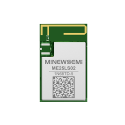
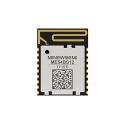
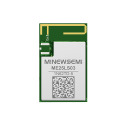
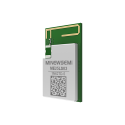
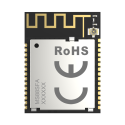
Based on the Nordic nRF52832 Bluetooth SoC, MS50SFA is a mature and reliable BLE module designed for stable IoT applications.
Key advantages:
· Proven Bluetooth performance
· Compact module design
· Rich hardware resources
· Certification support
· Suitable for mass production
Typical applications:
· Blood glucose meters
· Blood pressure monitors
· Portable healthcare devices
· Wearable products
MS50SFA provides developers with a reliable foundation for building connected medical devices.
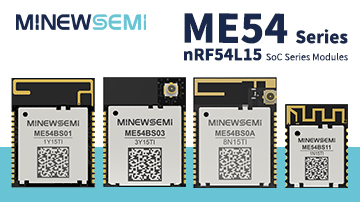
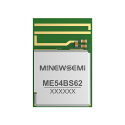
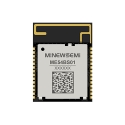
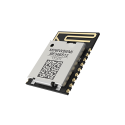
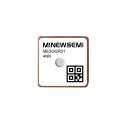
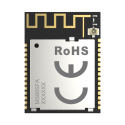
Based on Nordic nRF54L15, ME54BS61 is designed for next-generation compact IoT devices.
Key advantages:
· Ultra-small form factor
· Advanced Bluetooth capability
· Low power consumption
· Flexible hardware integration
Suitable applications:
· Wearable medical devices
· Miniature health monitors
· Portable diagnostic equipment
For healthcare products where PCB space is limited, ME54BS61 provides an optimized connectivity solution.
For advanced healthcare applications requiring contactless sensing, mmWave radar technology provides new possibilities.
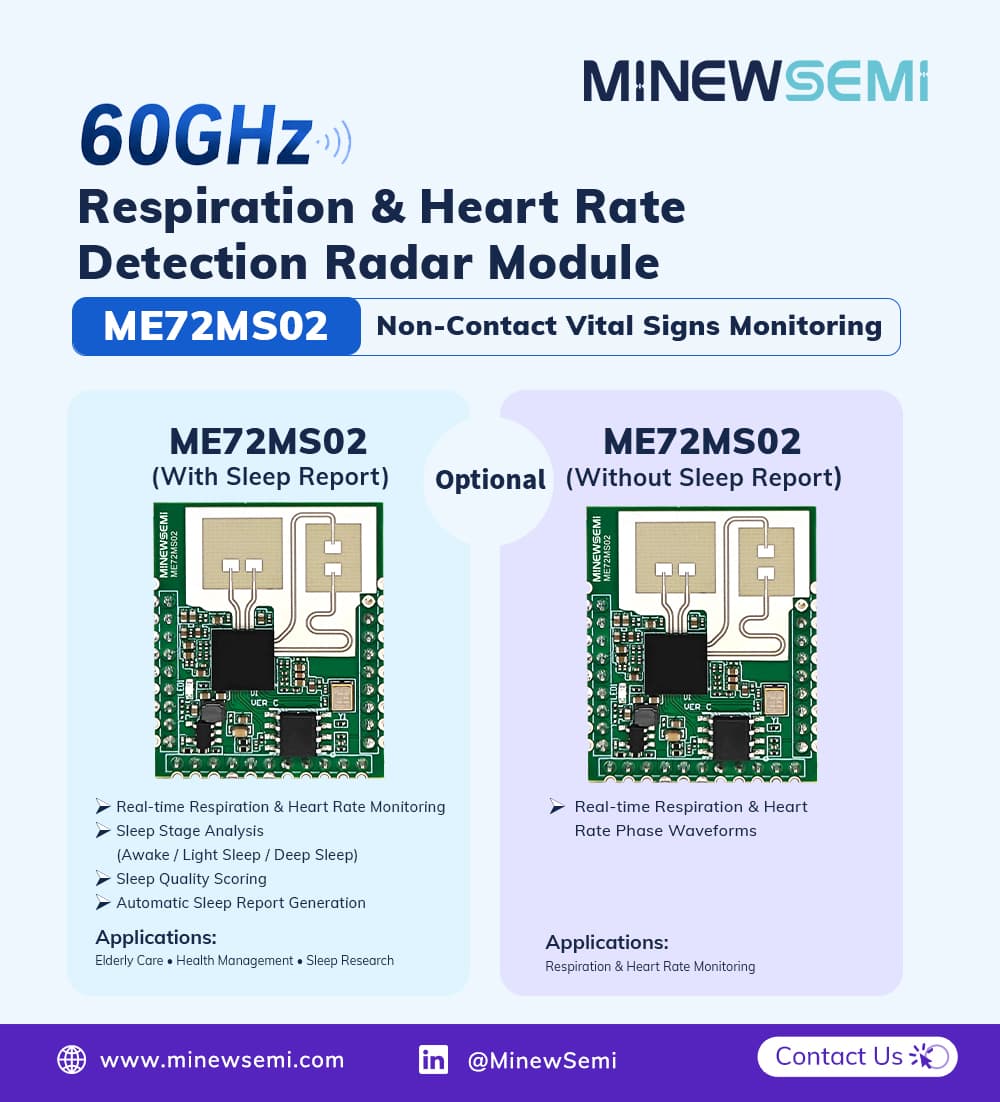
ME72MS02 can support applications such as:
· Respiration monitoring
· Heart rate detection
· Contactless sensing solutions
Combined with BLE modules, developers can create more intelligent healthcare monitoring systems.
Healthcare is moving toward a more connected, intelligent, and patient-centered future.
From medical testing devices and wearable health monitors to remote patient monitoring and smart treatment equipment, BLE modules provide the wireless foundation needed for modern Healthcare IoT solutions.
The key advantages of BLE in healthcare include:
· Ultra-low power consumption
· Seamless smartphone connectivity
· Compact integration
· Reliable wireless communication
· Flexible application possibilities
As digital healthcare continues to evolve, BLE will remain an important technology for connecting patients, devices, and healthcare services.
By combining BLE modules with emerging technologies such as AI, UWB, and mmWave radar, developers can create innovative healthcare solutions that support continuous monitoring, preventive care, and remote medical services.
BLE modules are widely used in medical devices because they provide low-power wireless communication, smartphone compatibility, compact size, and reliable data transmission.
They are suitable for devices such as blood glucose meters, blood pressure monitors, wearable ECG devices, and remote patient monitoring systems.
The main advantages include:
· Low power consumption
· Long battery life
· Easy smartphone connection
· Small hardware footprint
· Cost-effective deployment
· Flexible application support
These features make BLE an ideal connectivity technology for connected healthcare devices.
Yes. BLE modules are commonly used in RPM systems to connect medical devices with smartphones, gateways, and cloud platforms.
They enable automatic health data collection, remote monitoring, and healthcare provider intervention.
The suitable BLE module depends on product requirements.
For mature and stable applications, MS50SFA based on Nordic nRF52832 provides a reliable solution.
For compact next-generation healthcare devices, ME54BS61 based on Nordic nRF54L15 offers higher integration and smaller size.
BLE can be combined with:
· AI for intelligent health analysis
· UWB/AoA for precise location
· NFC for identification
· mmWave radar for contactless monitoring
These combinations enable more advanced Healthcare IoT solutions.











 Store
Store